→ The wait list is a beloved DICE feature where fans can buy or sell their tickets to sold out shows for face value – unlike secondary ticketing price gouging
→ It’s up to partners to turn it on, and it helps them understand how many fans are interested in their event – they can gauge demand which helps them decide to allocate more tickets or add more events
→ When working on these flows, I also changed the feature name (it used to be “waiting list”)
This move towards brevity worked better for our designs and matched the spoken language of our fans
“Wait list” is more concise and informal, it doesn't need to be treated as a proper noun, and it's the term fans often use in feedback and research
BEFORE
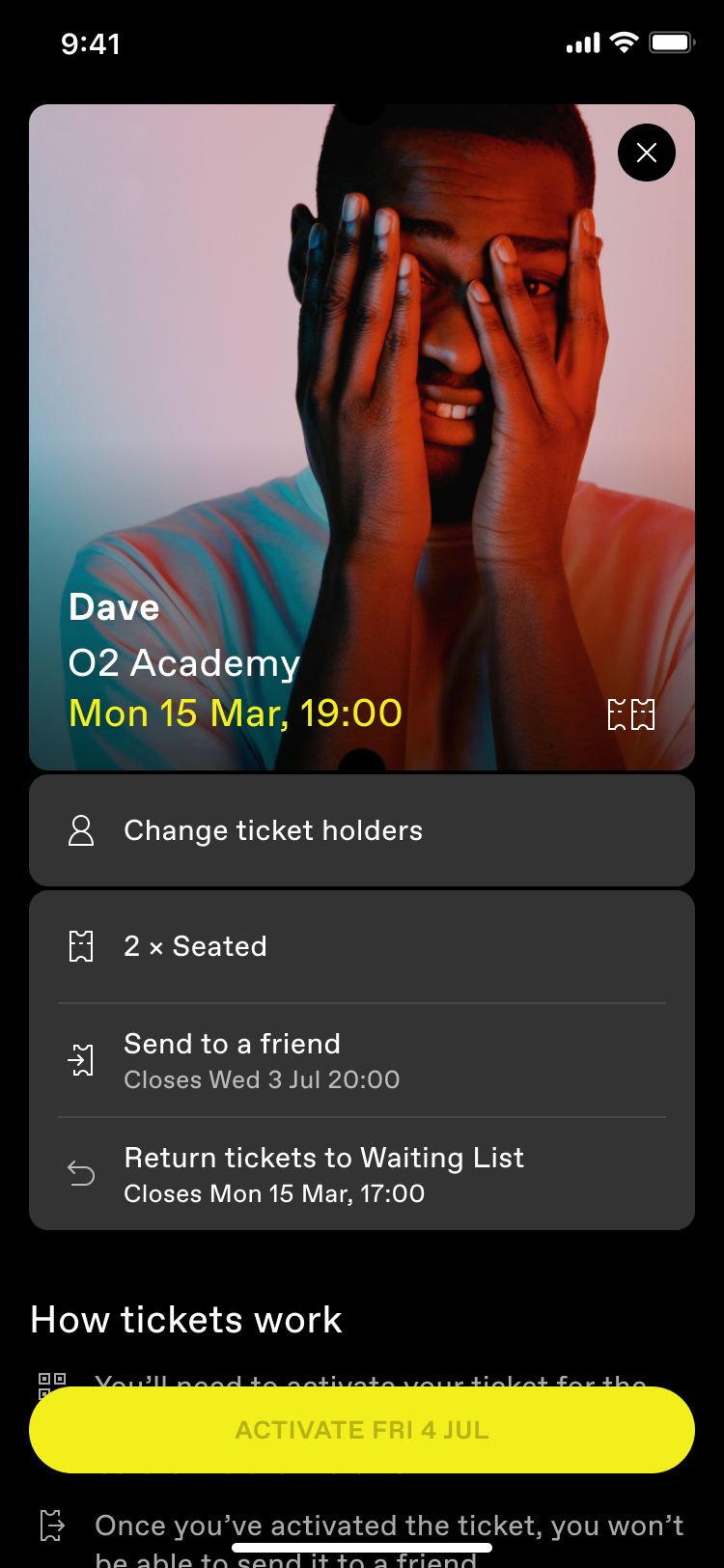
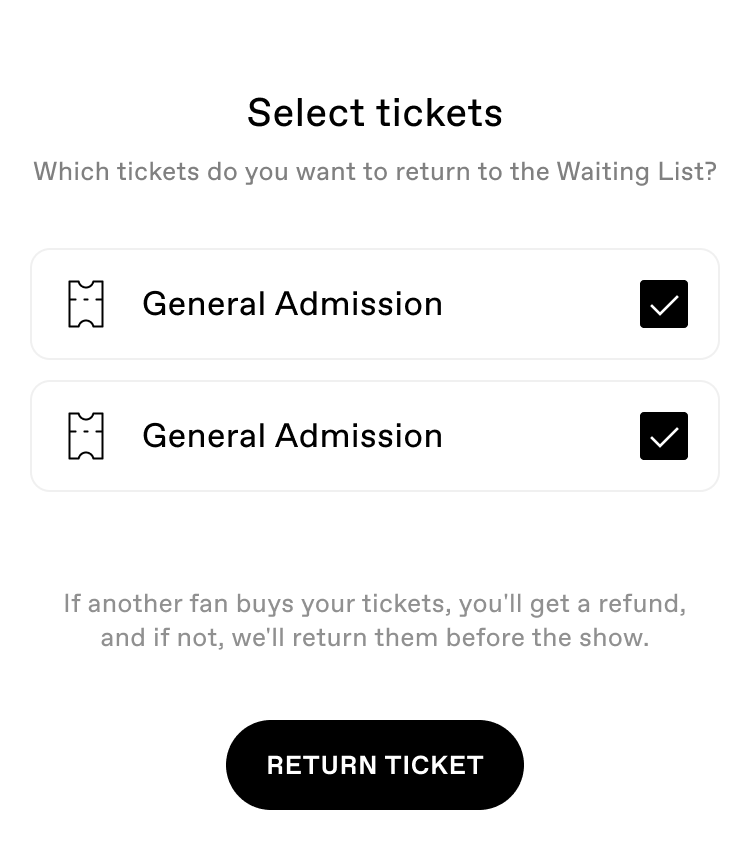
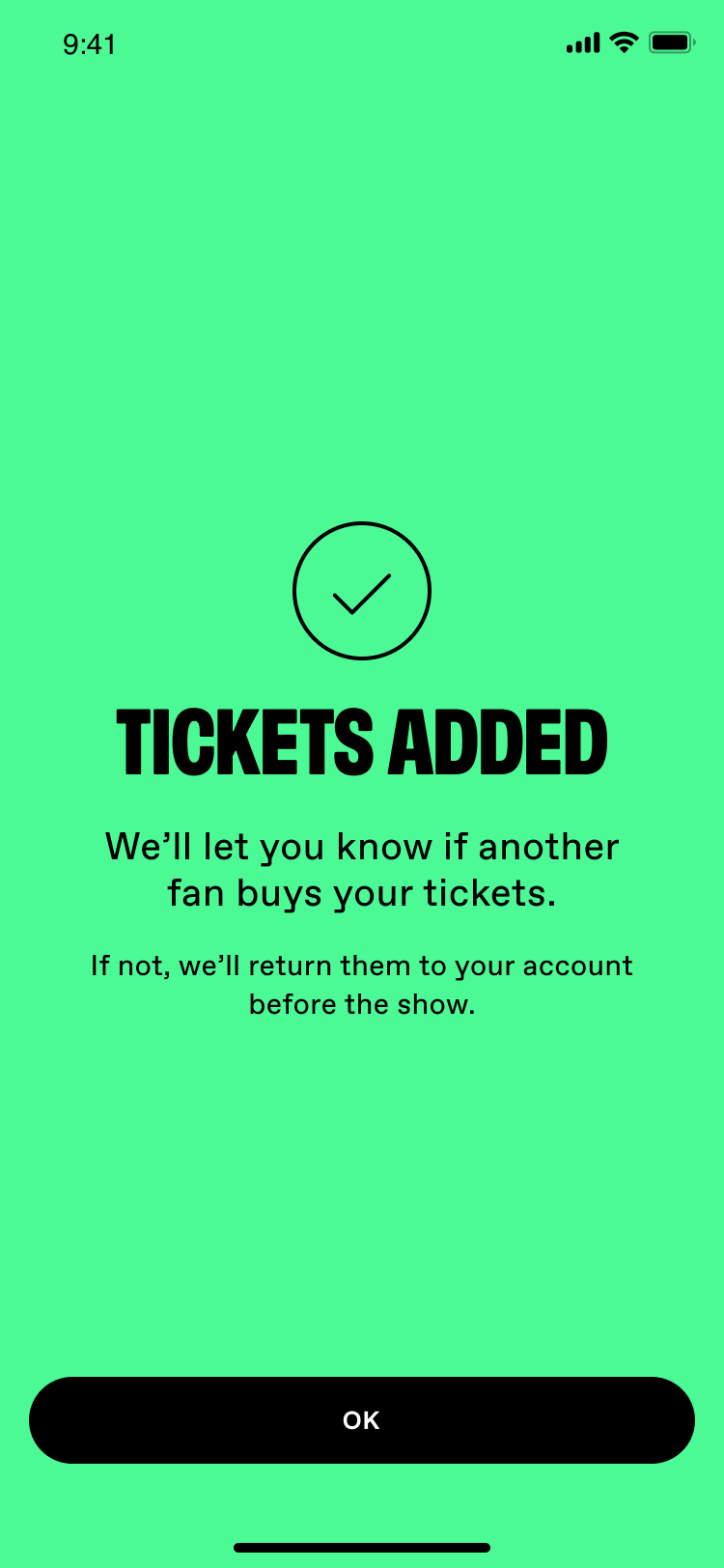
Inconsistent language, especially the use of “return” – these tickets weren’t on the wait list in the first place, sometimes interpreted as an automatic refund rather than making them available for sale
Vagueness about next steps, unclear wait
Not doing enough to let fans know about the functionality and furthermore it was limited – fans couldn’t remove their tickets from the wait list, leading to frustration
AFTER
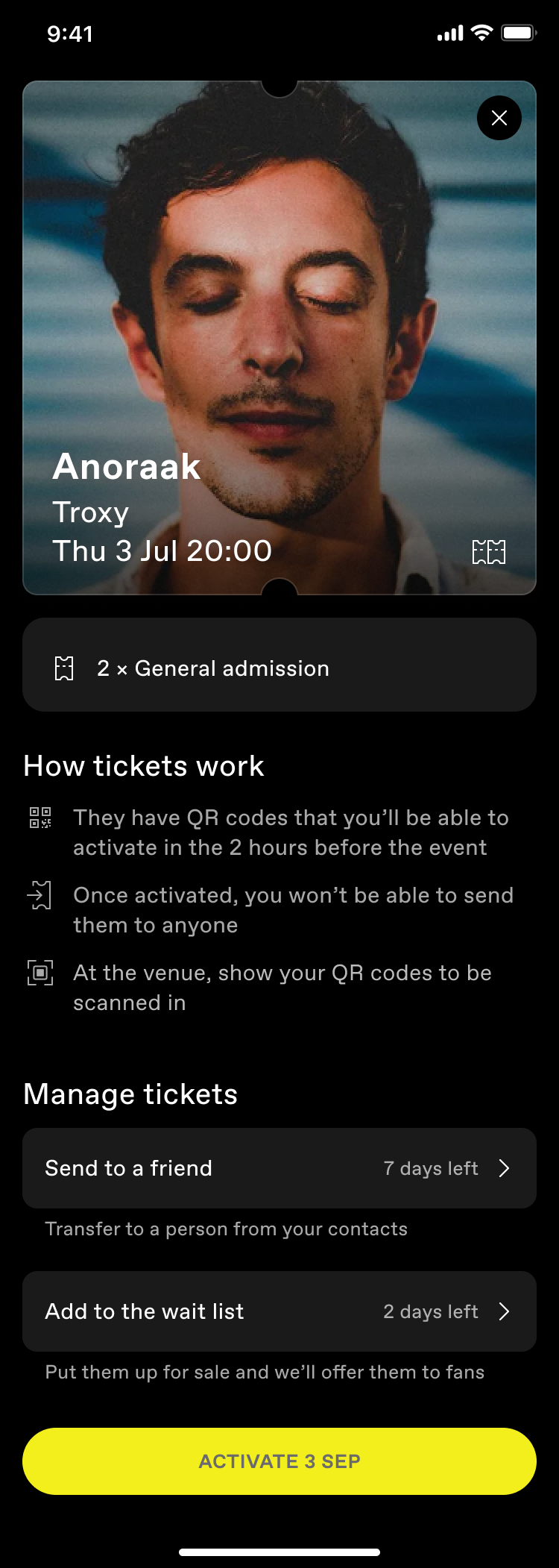
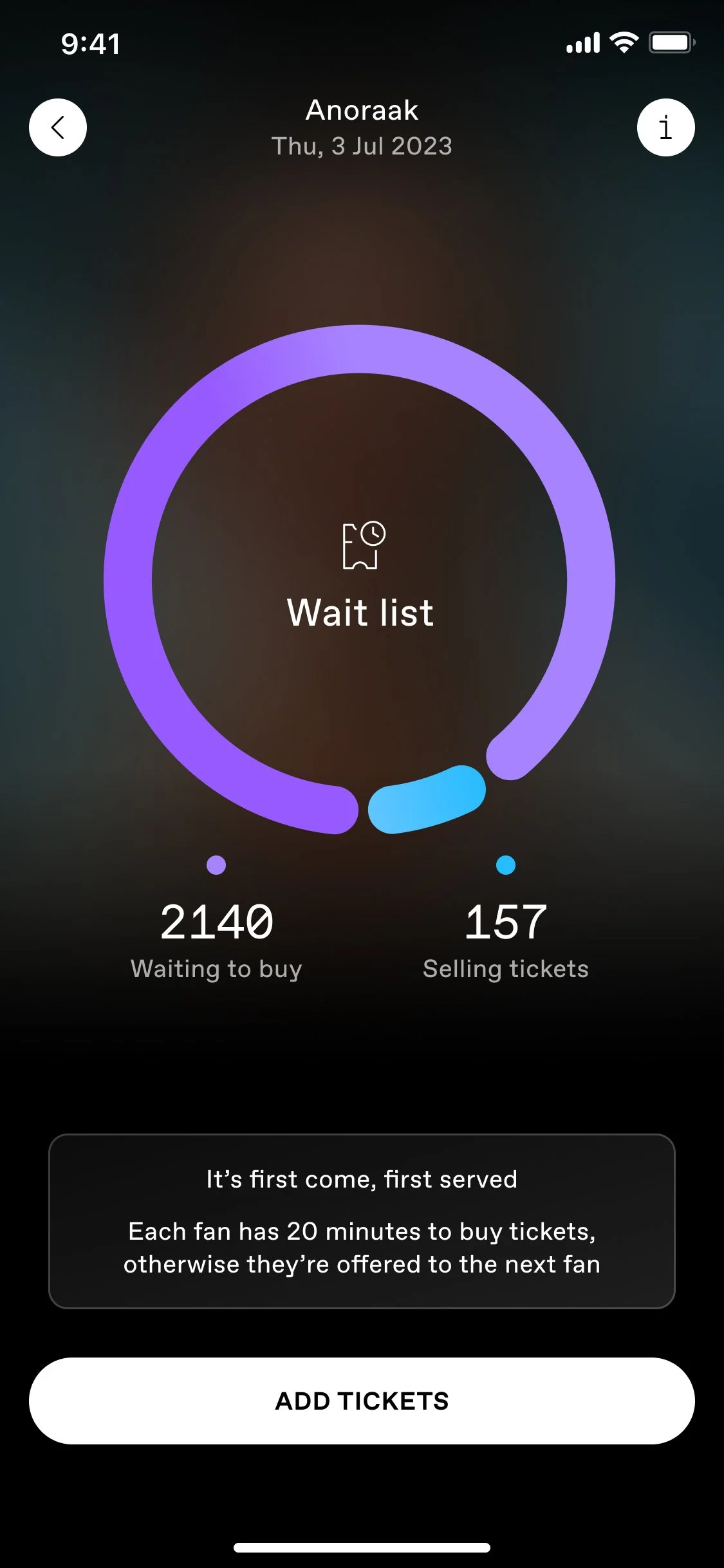
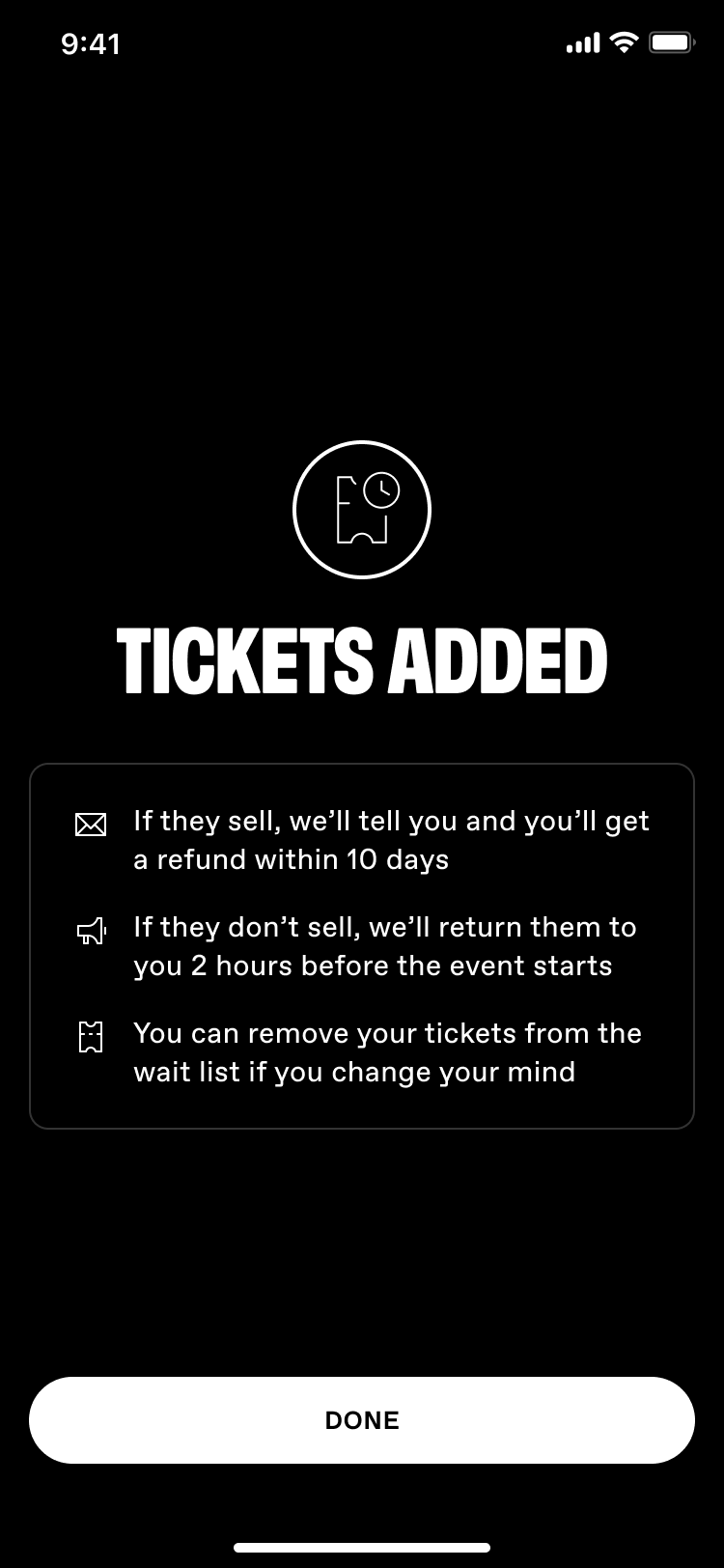
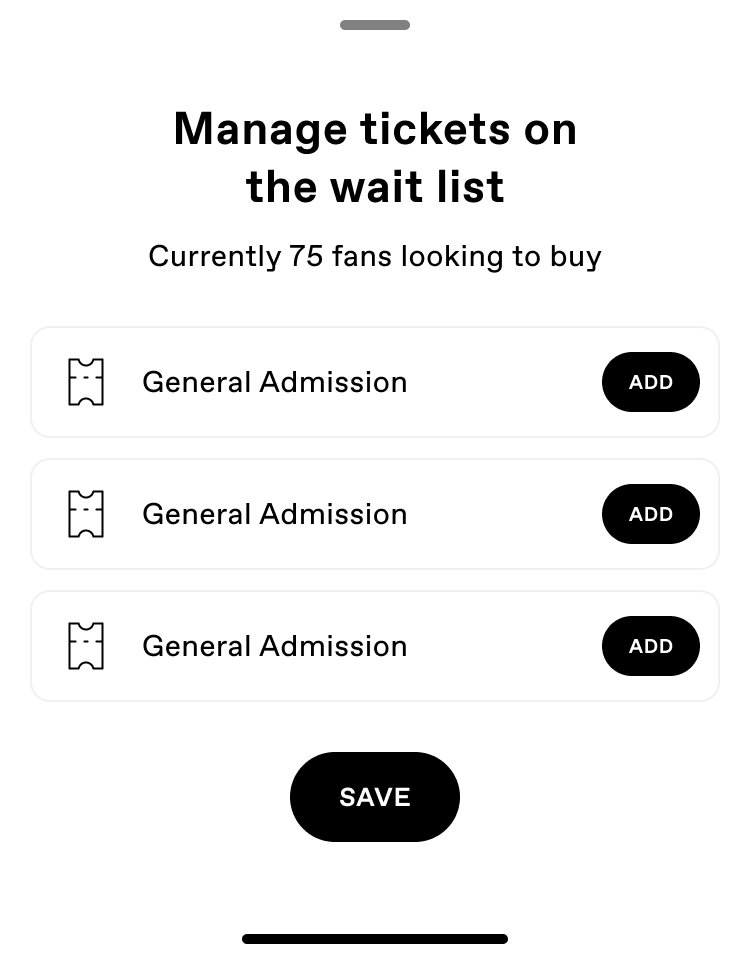
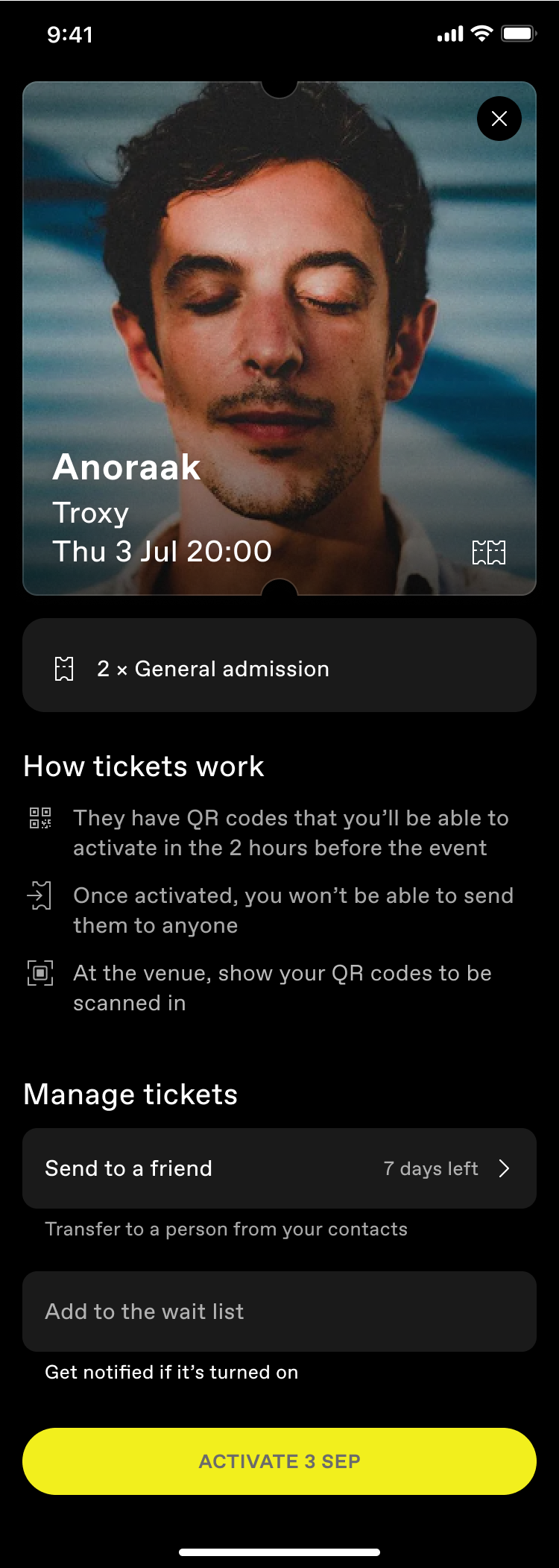
We added a management section, explained how ticket transfer and wait list works from the start
Provided transparency about the number of fans waiting vs. selling, how long the window to buy is
Remove time ambiguity while clarifying how it works
There’s less hesitation about engaging with the wait list because fans know they can change their mind
Progressive disclosure at play, not overwhelmed with too much info upfront, reducing cognitive load
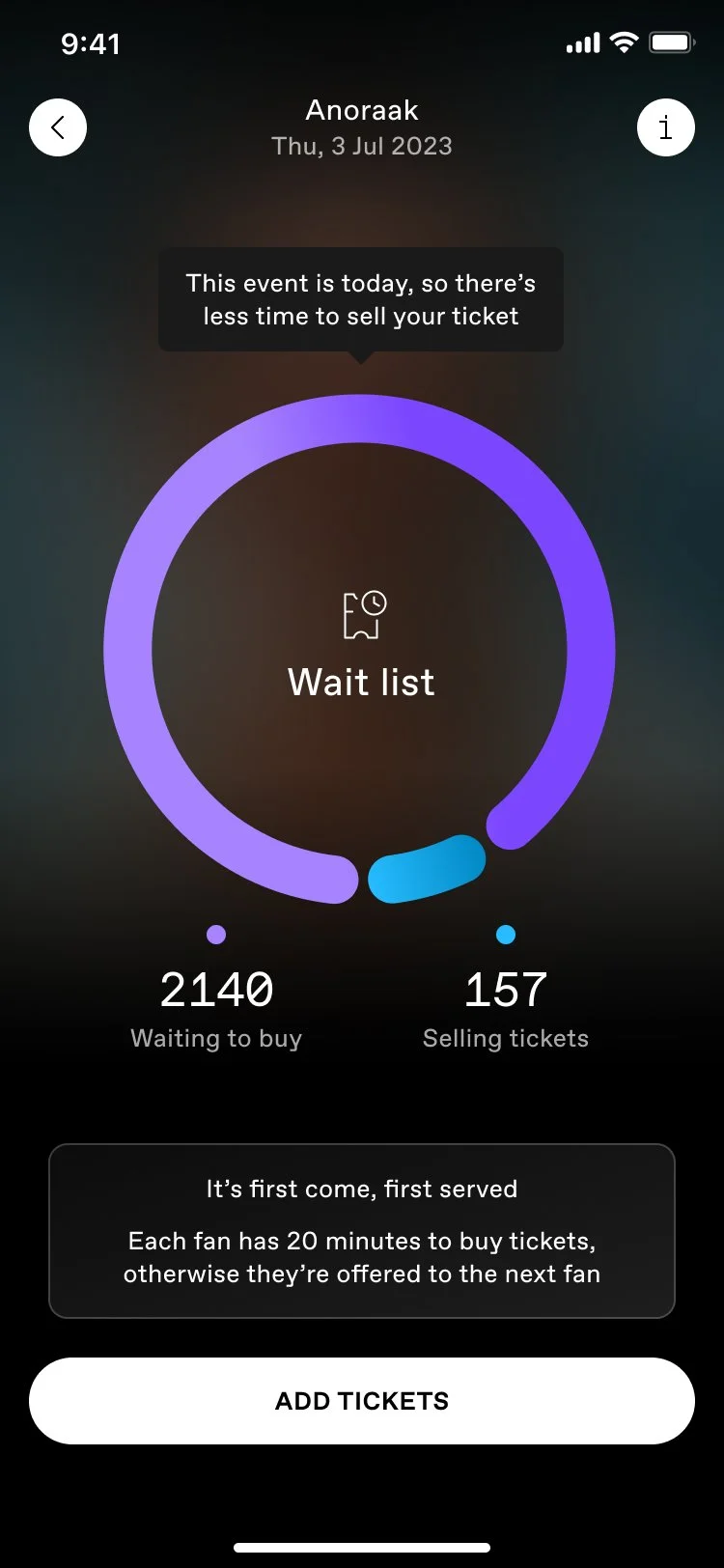
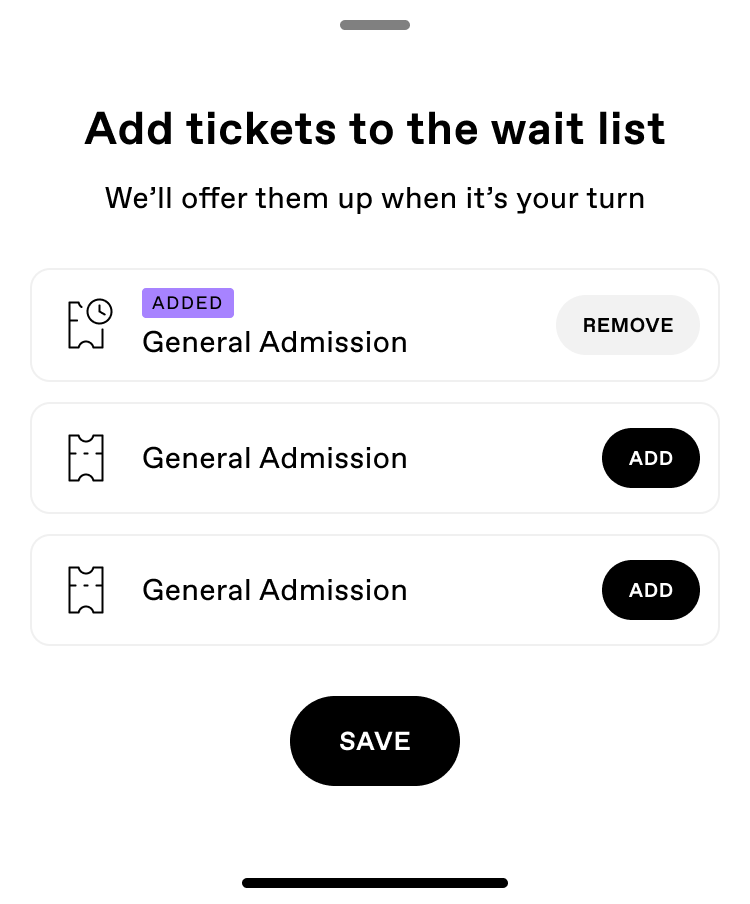
Proactive communication through the tooltip, giving contextual guidance to further manage expectations
Being to the point is especially necessary when fans are are under time pressure
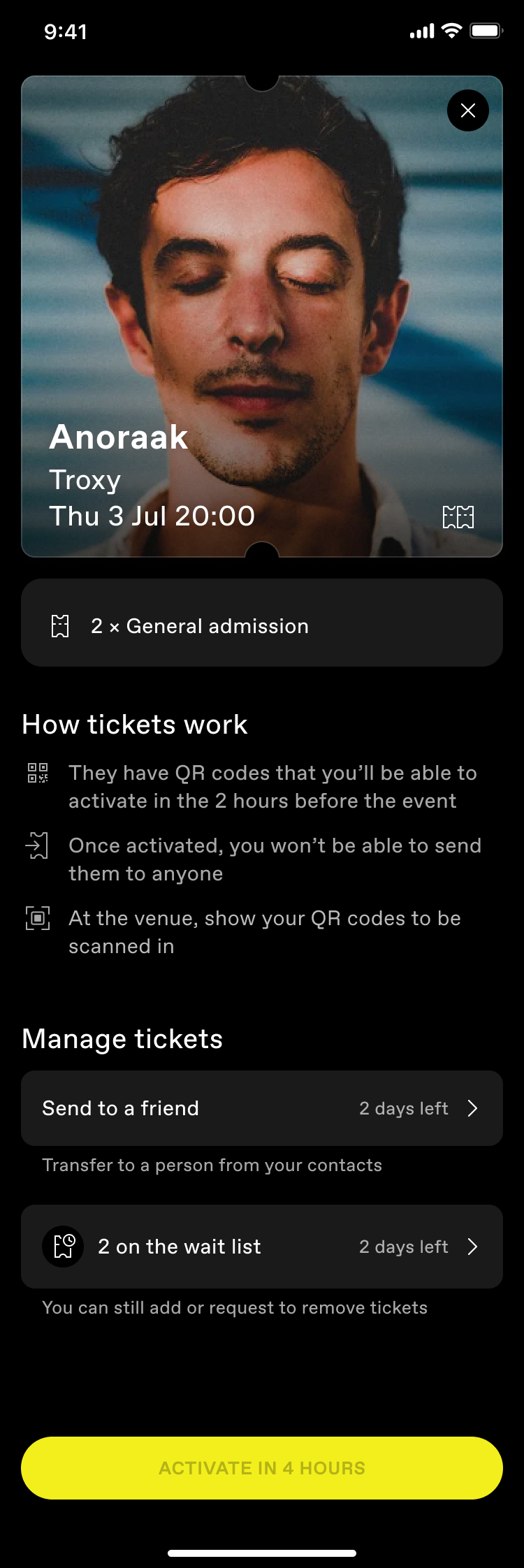
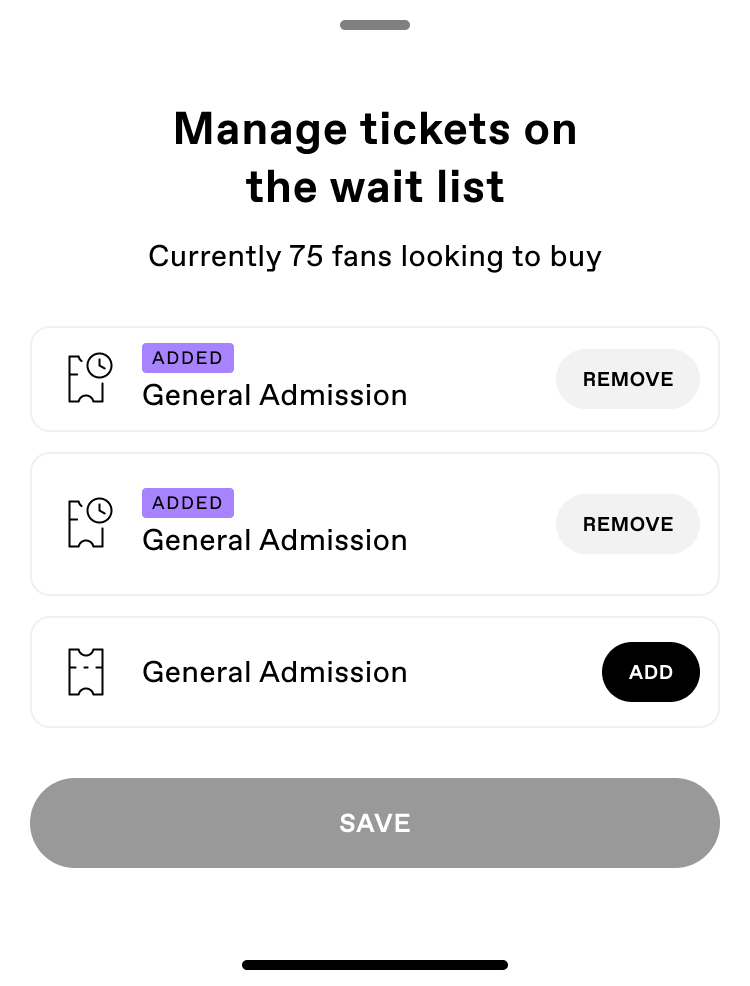
Once tickets are on the wait list, the state changes under the management section to reiterate how fans can now interact with it
We reveal how many fans are looking to buy at the moment, relevant data at a key decision point supports trust and makes for better judgement
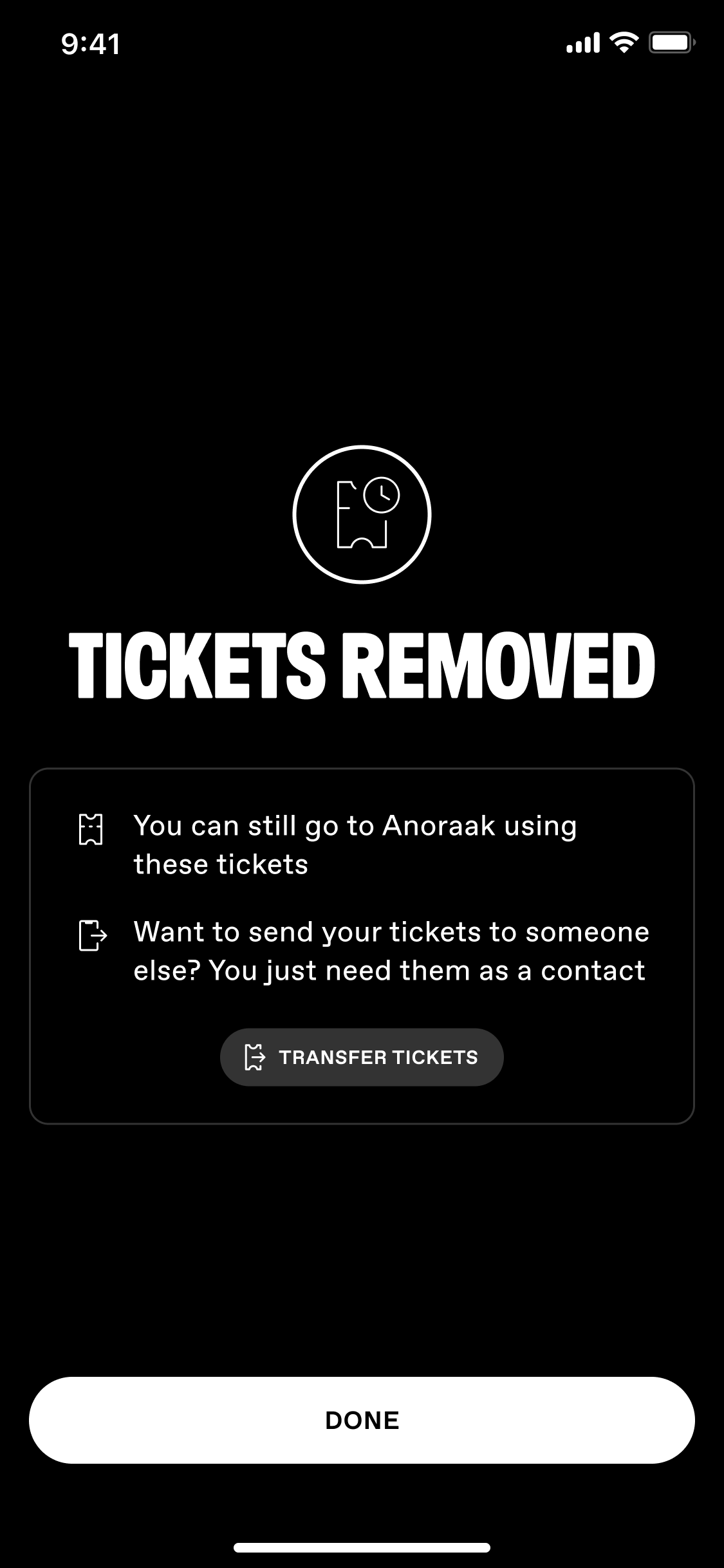
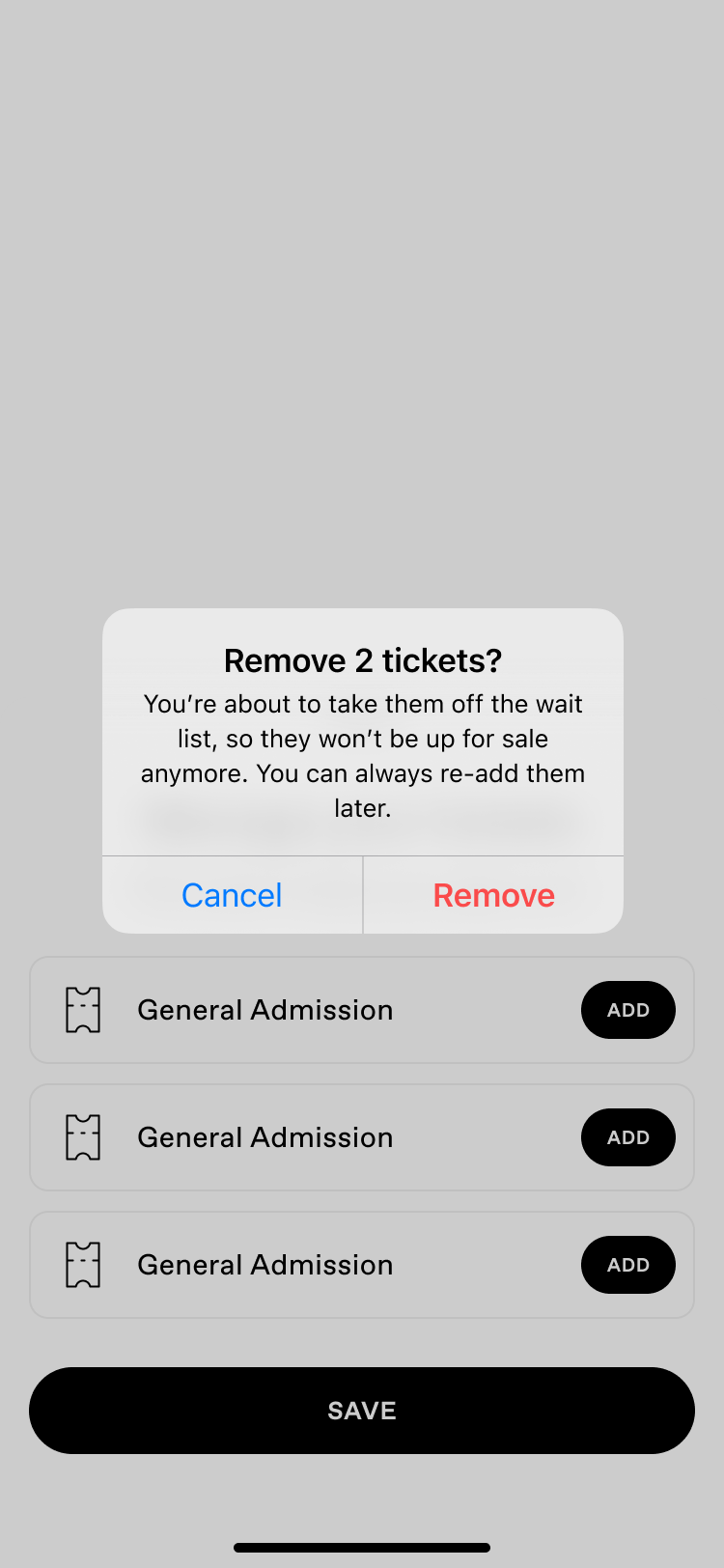
If they want to remove, we have confirmation alert for action reversibility and making sure they understand the impact of their decision
Removing tickets from the wait list might make fans nervous about losing a potential buyer, so I addressed that emotional concern
In the confirmation message I made sure to include supportive feedback, positive reinforcement, and clarity on what they can do next – maintaining momentum
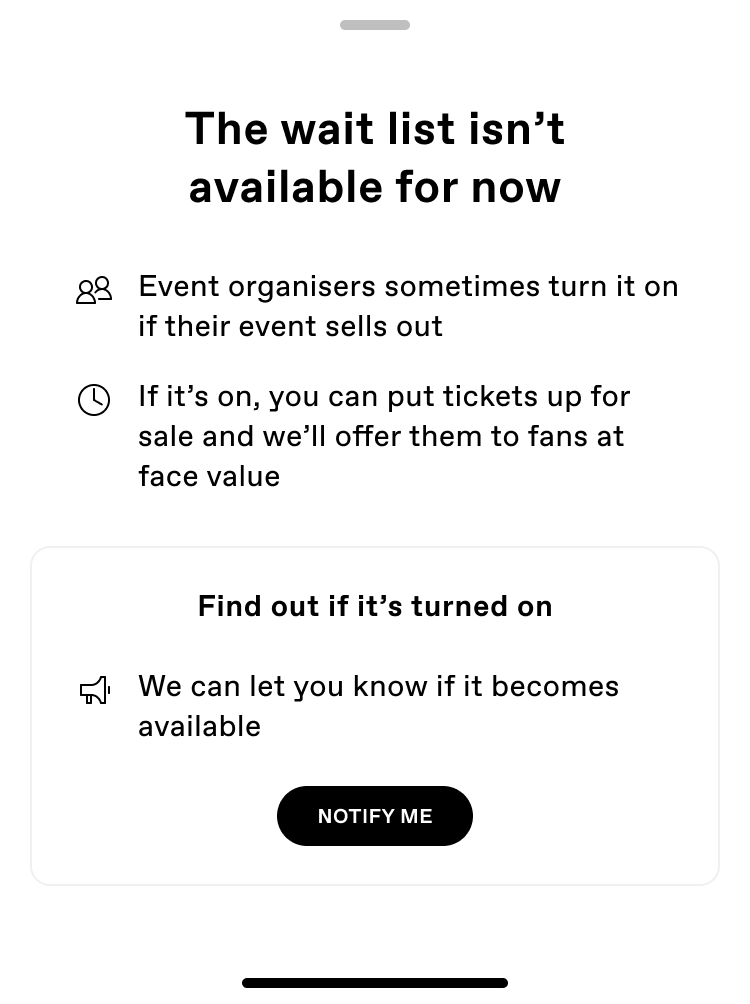
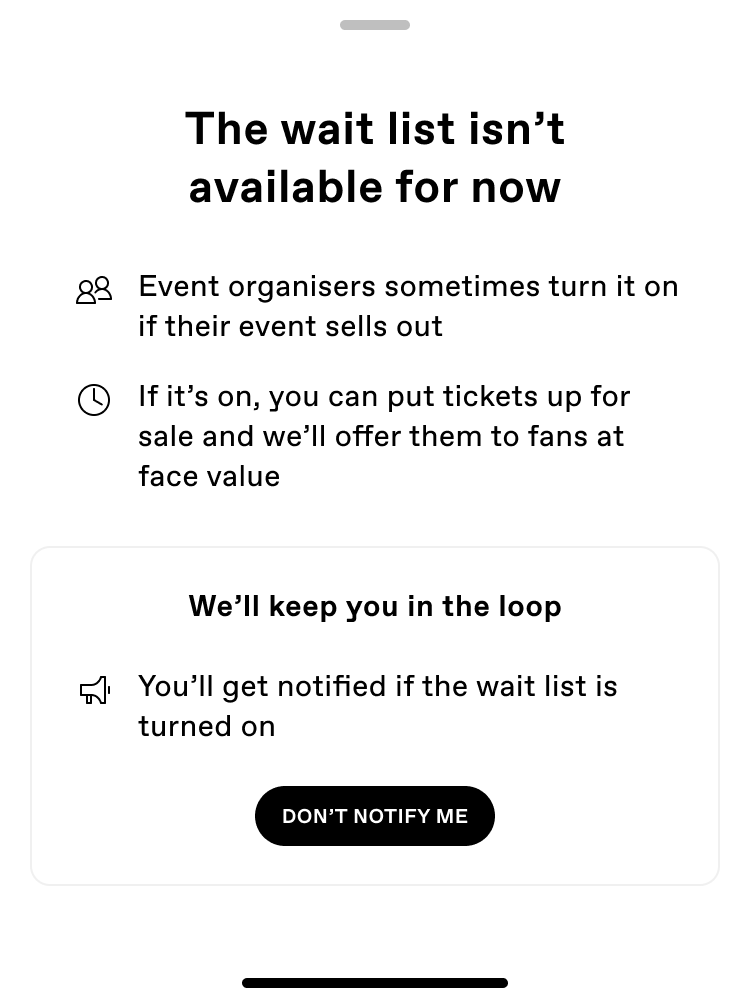
When the wait list isn’t available for a sold out show, we educate fans rather leaving them wondering why they can’t add tickets
Empowering language reduces mental load – they won't have to remember to check if it becomes active
Supporting info provides context but doesn’t overwhelm
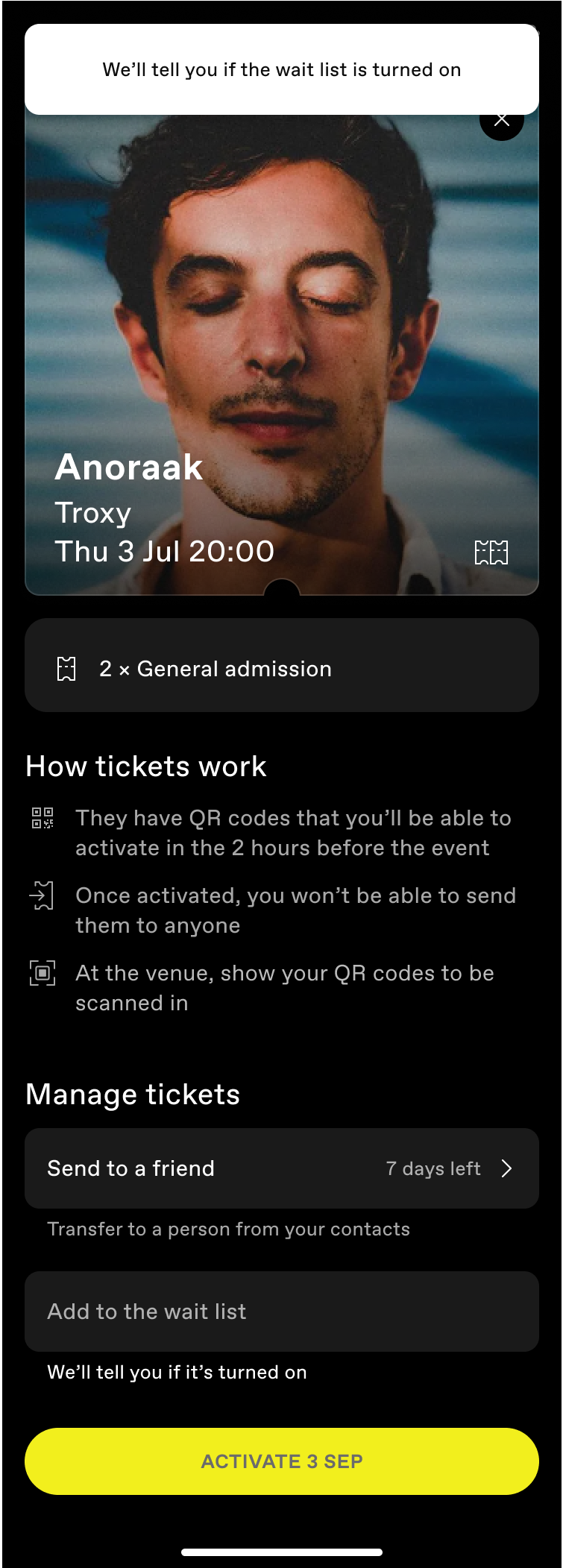
Another state change reinforces that the fan has set a notification and is now in a waiting phase
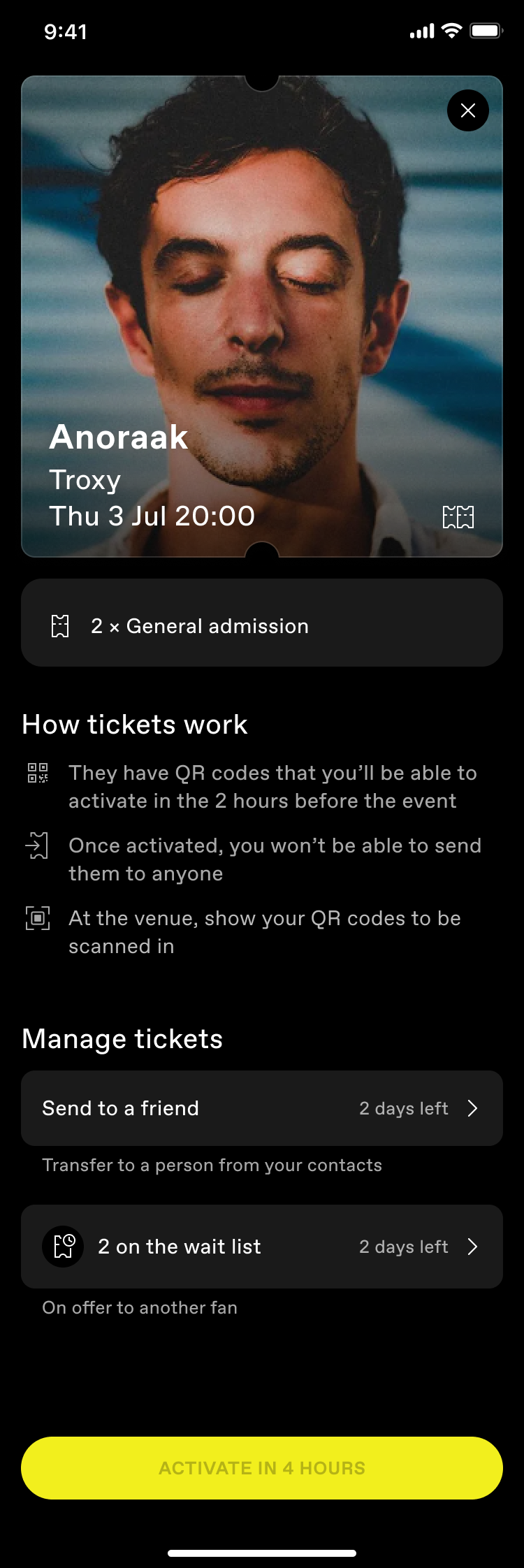
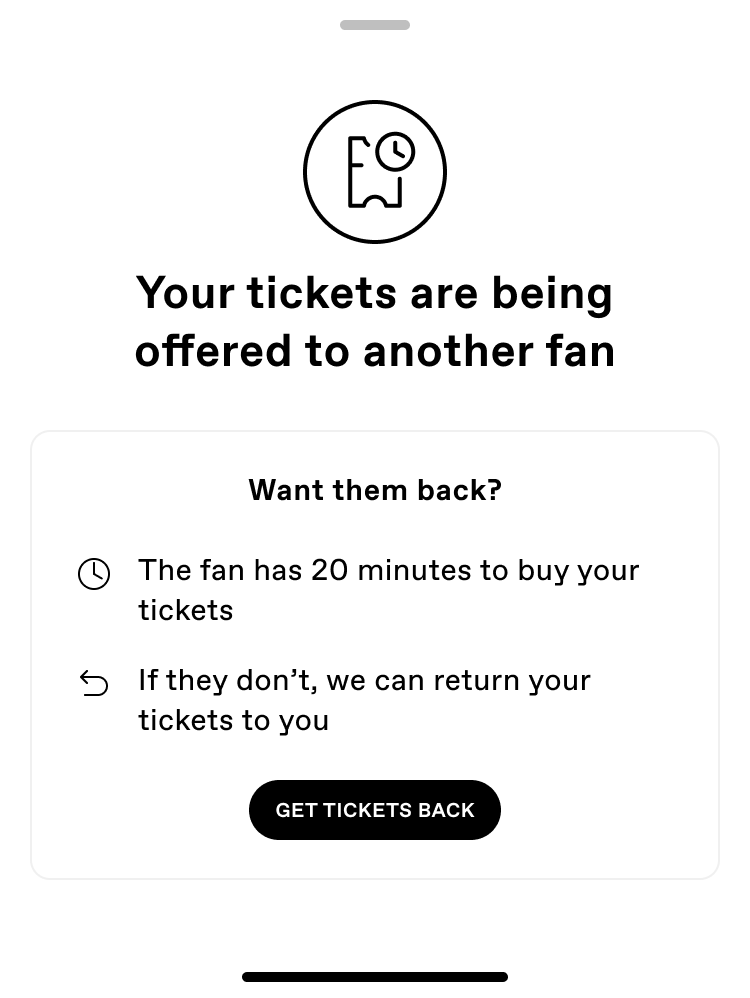
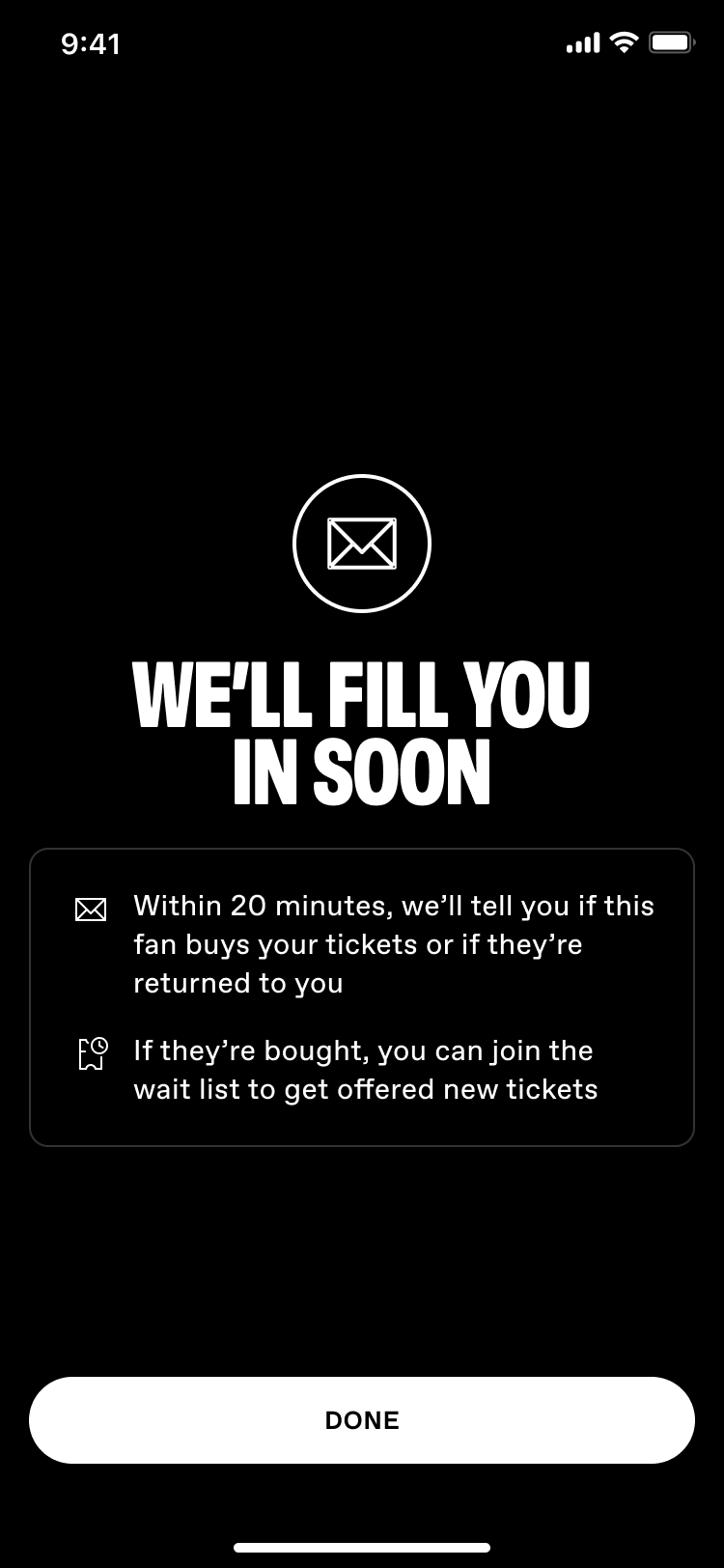
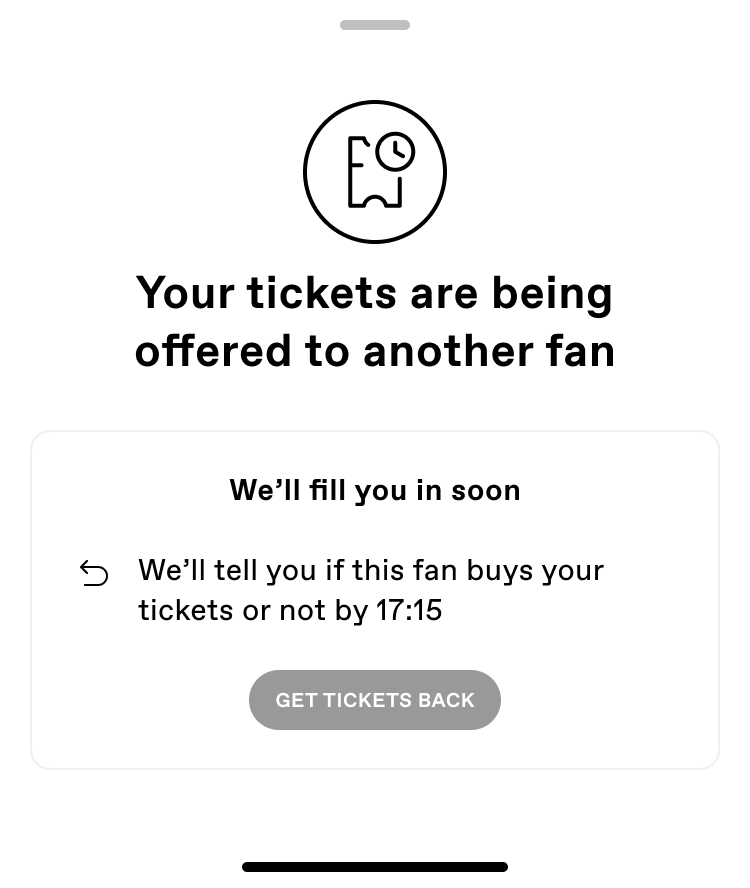
If tickets are being offered to a fan, there is another state change
Transparency through time-specific details, making sure to answer questions before they arise so they can navigate with confidence
I give conditional clarity so they understand what’s happening based on different scenarios
Soften potential disappointment while offering an alternative solution
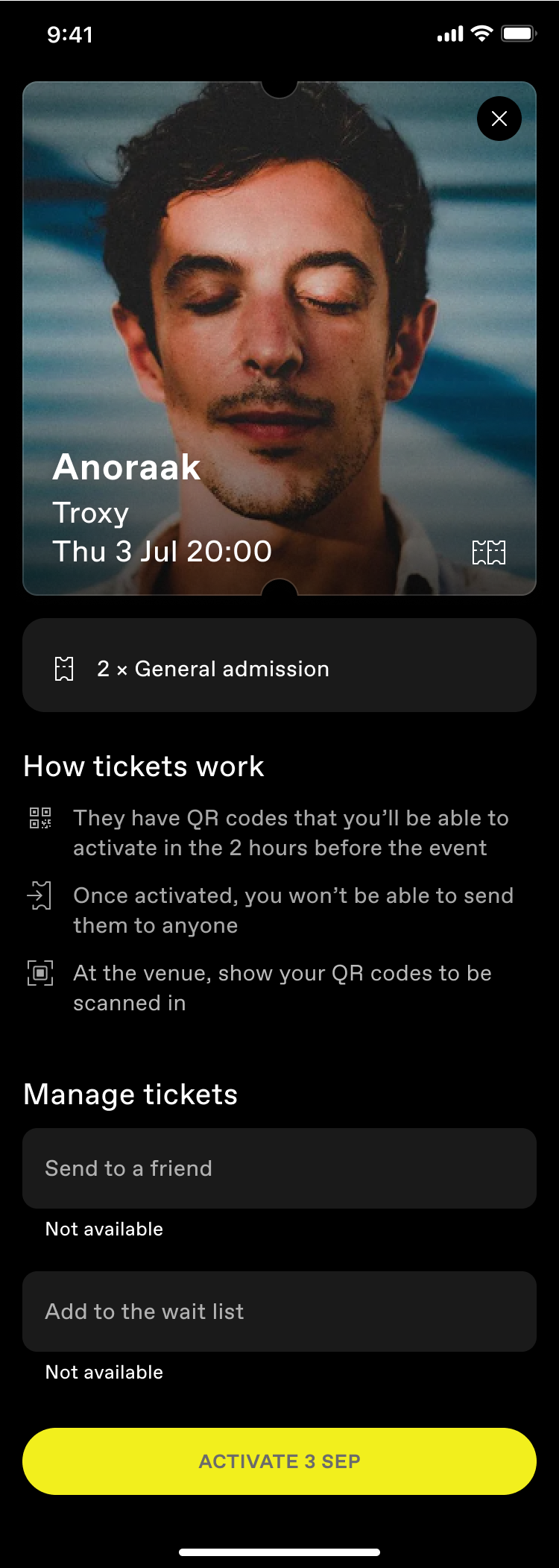
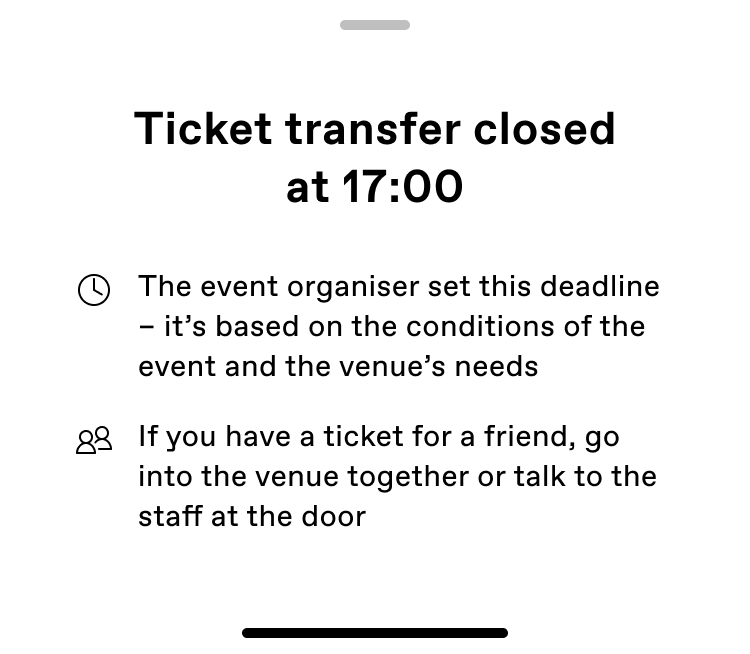
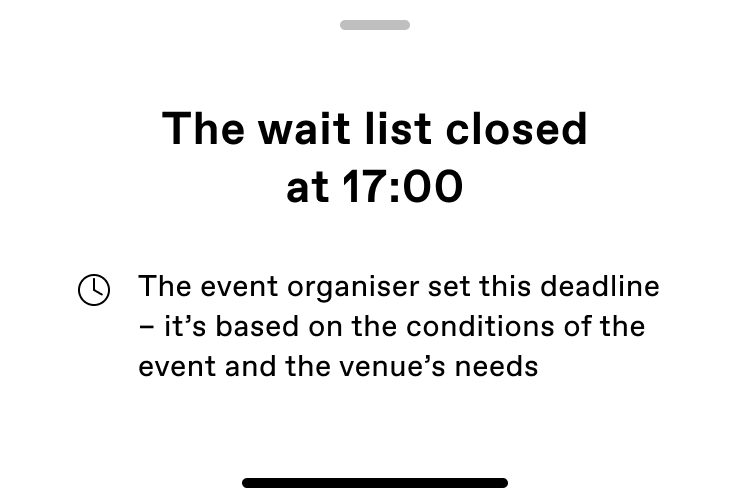
If the wait list deadline passed, as well as for ticket transfer, we say why these restrictions are in place
I spoke to the director of account management to understand how we could explain this fans and what we could tell them to move forward
Offering guidance and reassurance during potentially frustrating moments
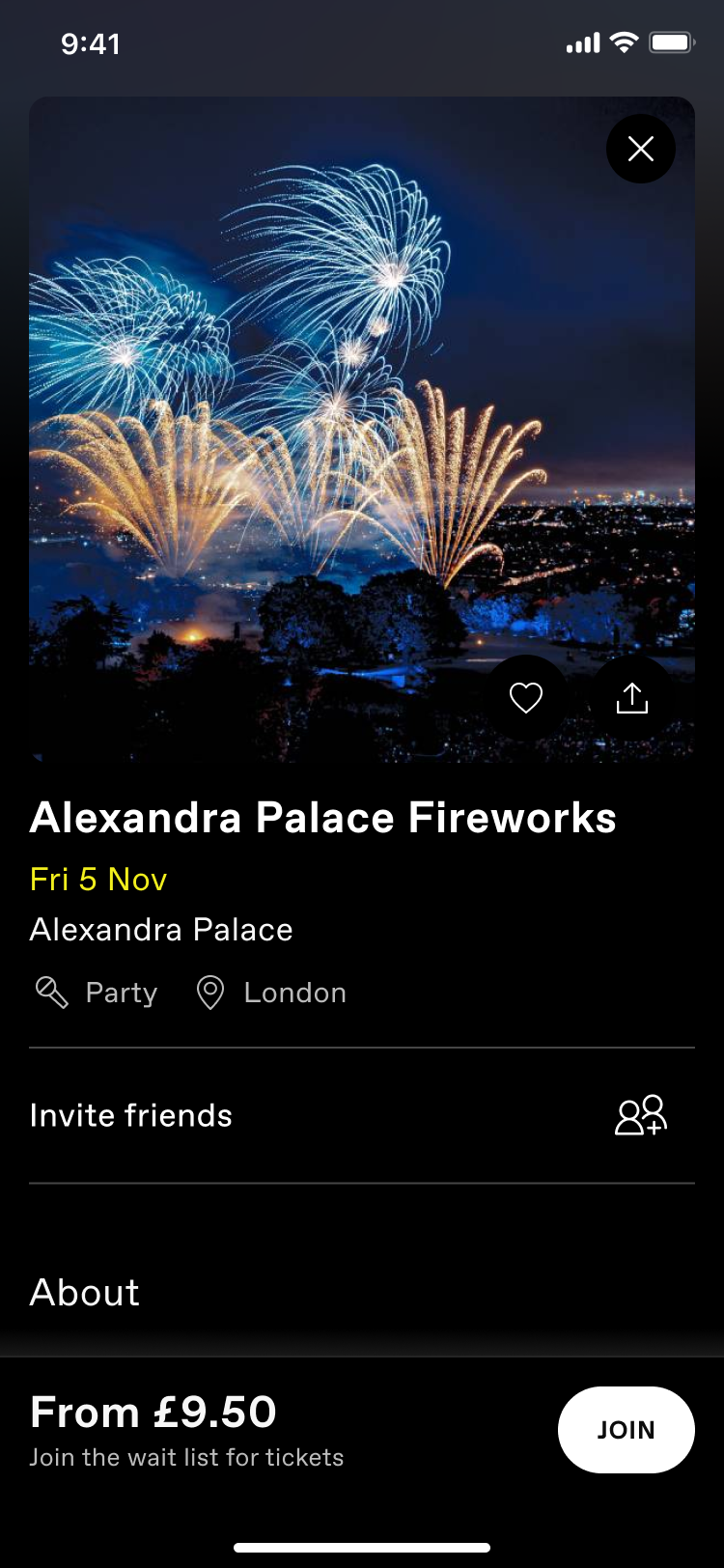
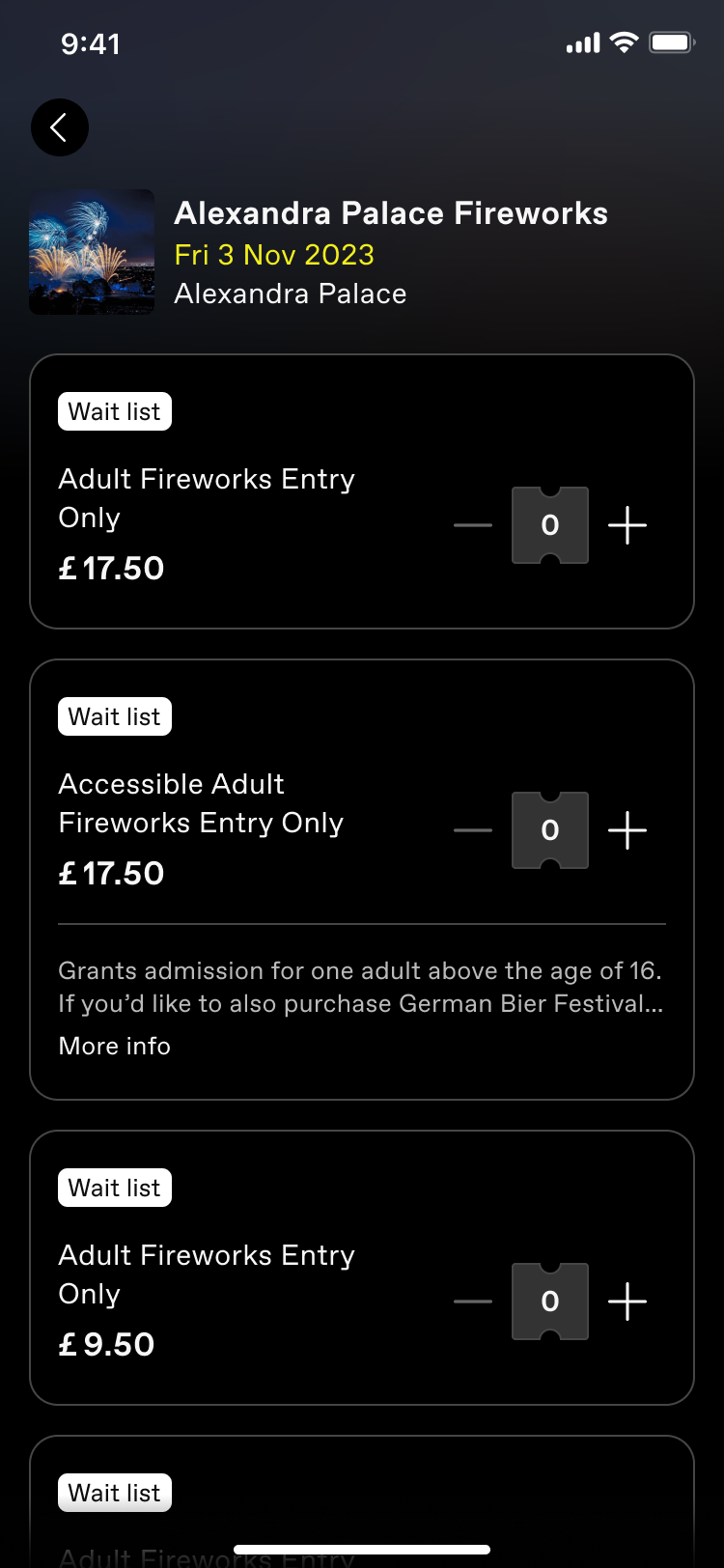
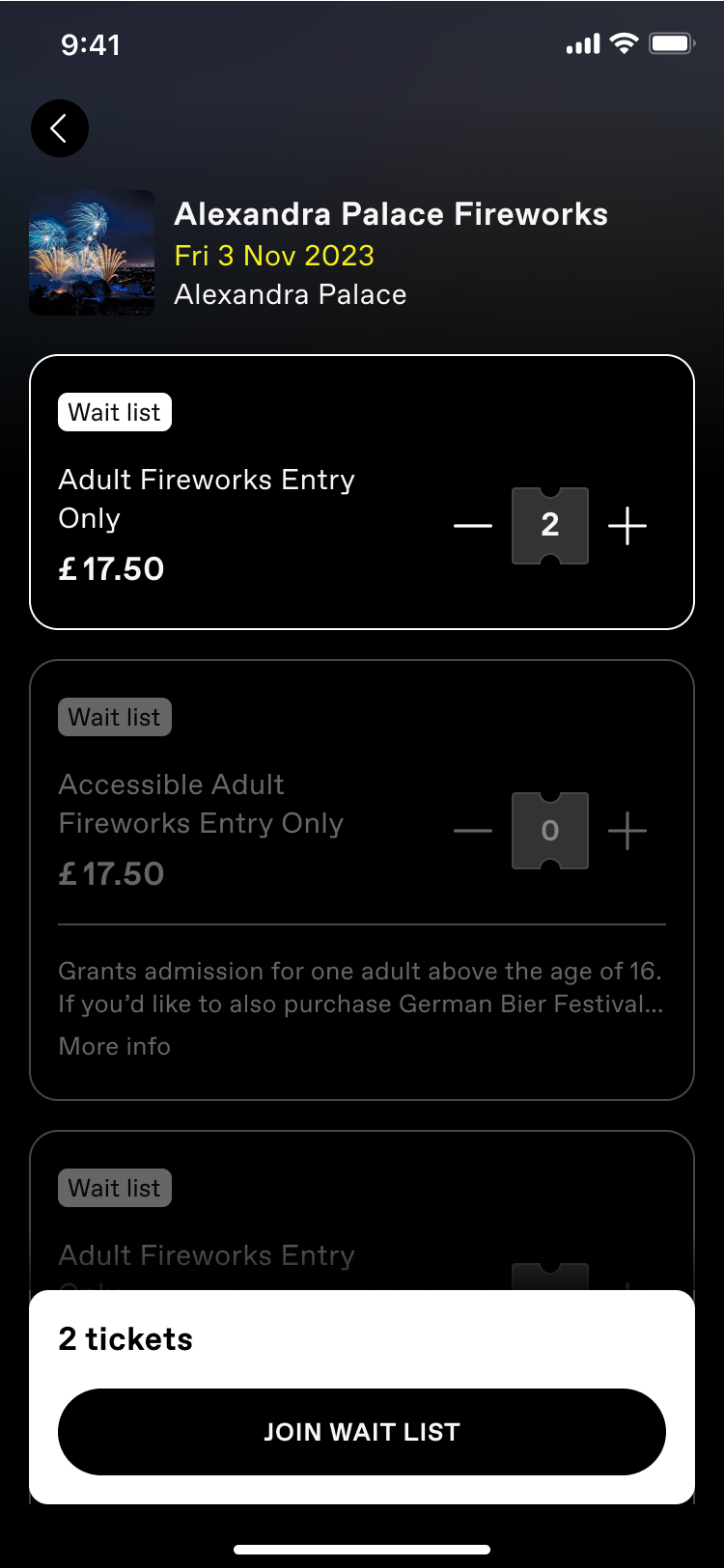
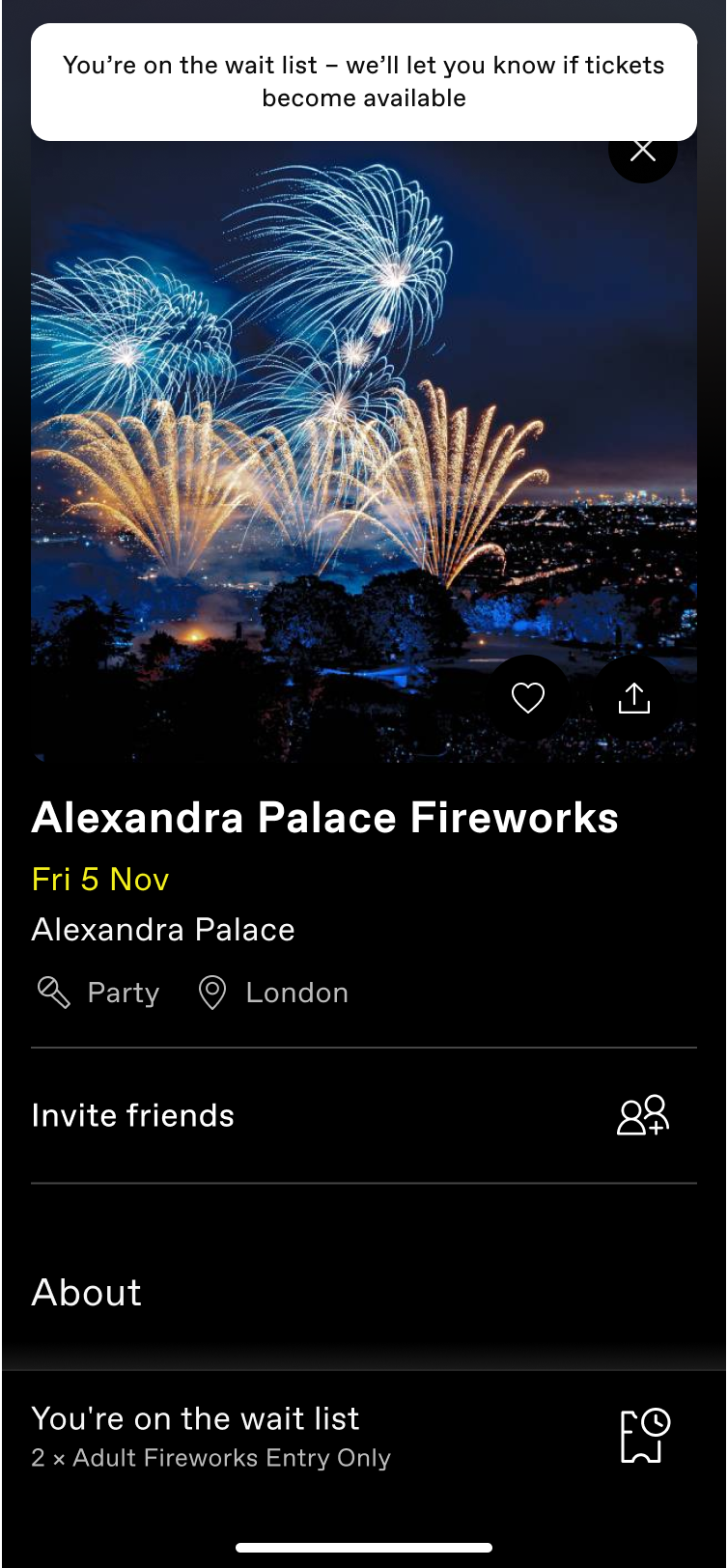
Now buying from the wait list, the flip side
I changed the “get in line” language as there are negative connotations with queues
Framing the wait list as an opportunity rather than an inconvenience
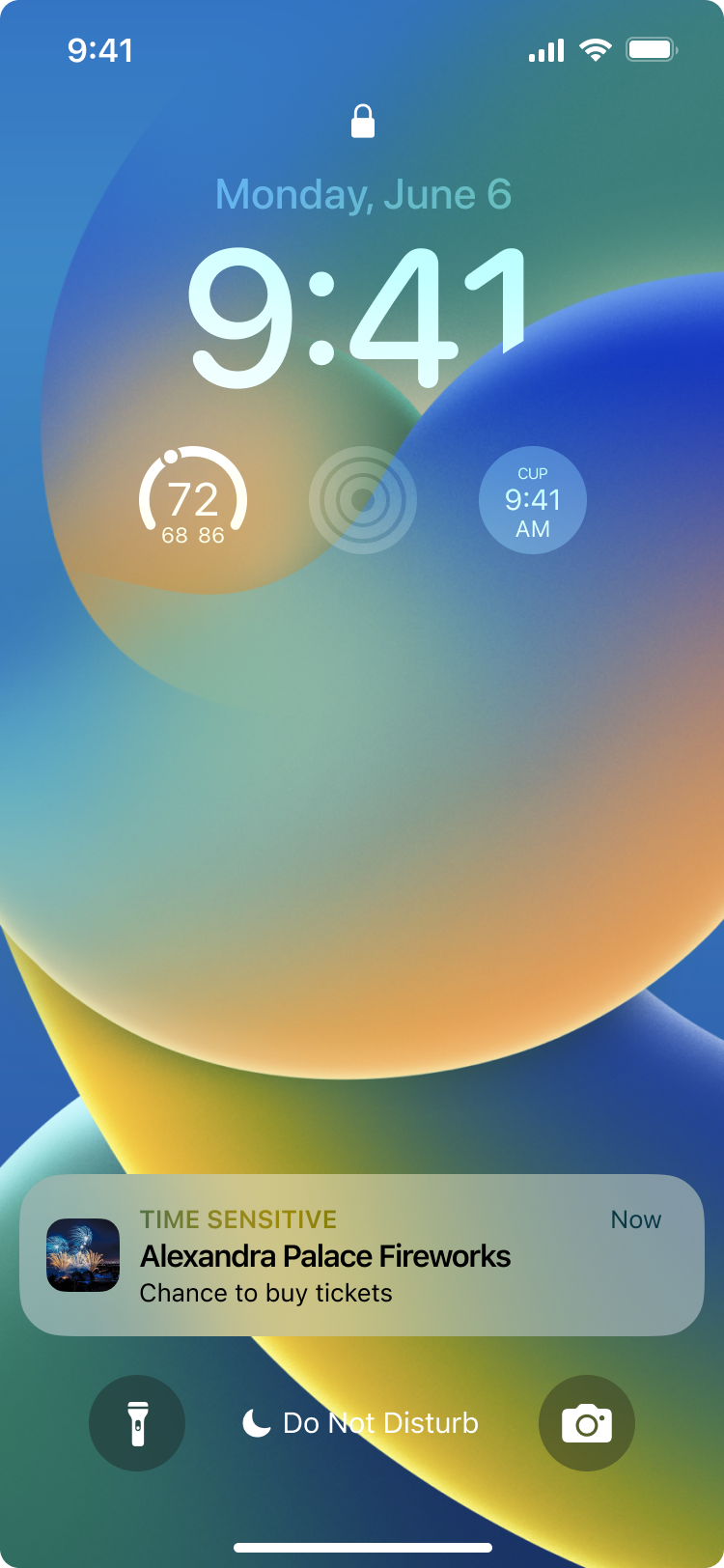
I also changed “act fast” language as that doesn’t explicitly mention tickets or the action needed
Ticket offer from wait list is a good thing, but you do need to be quick, and this is a limited opportunity
The countdown further adds sense of urgency without being too aggressive
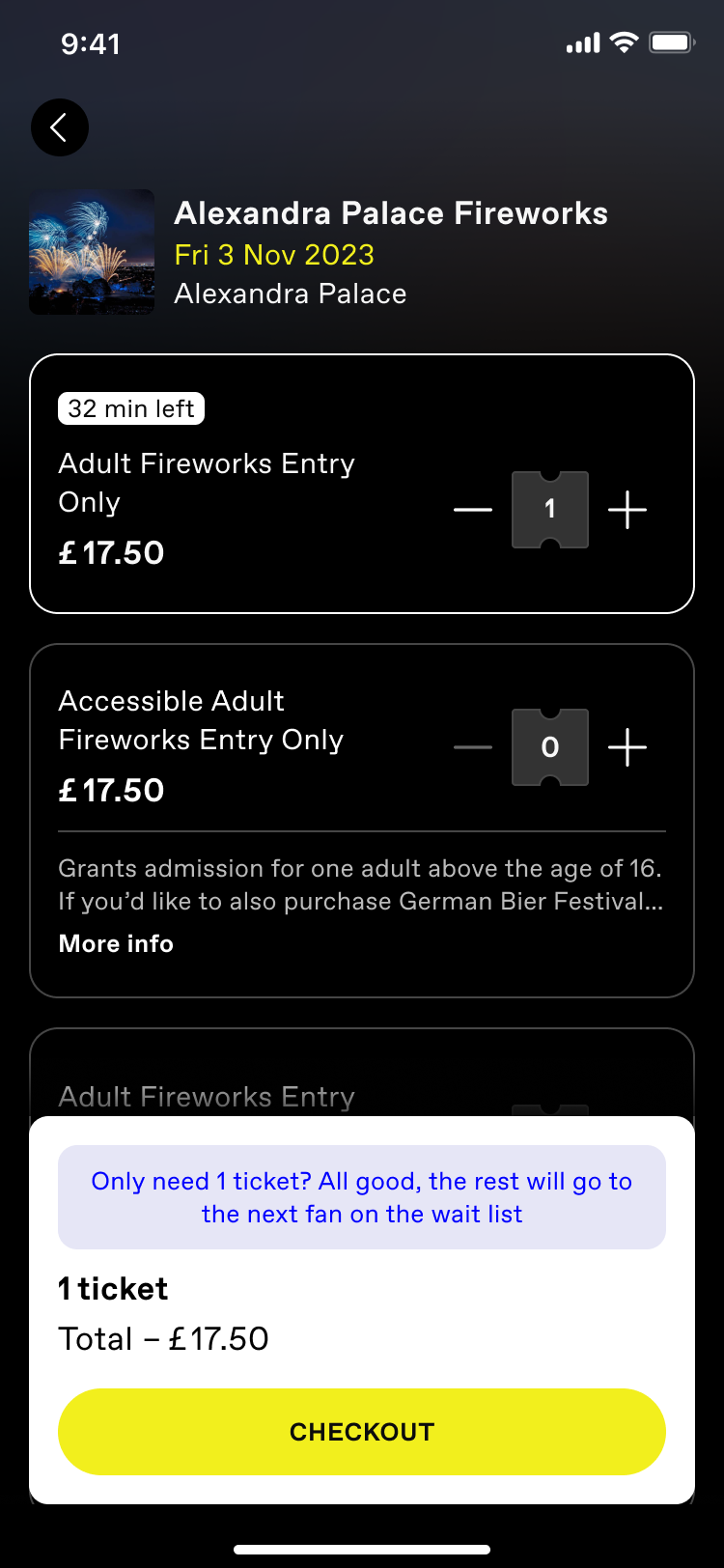
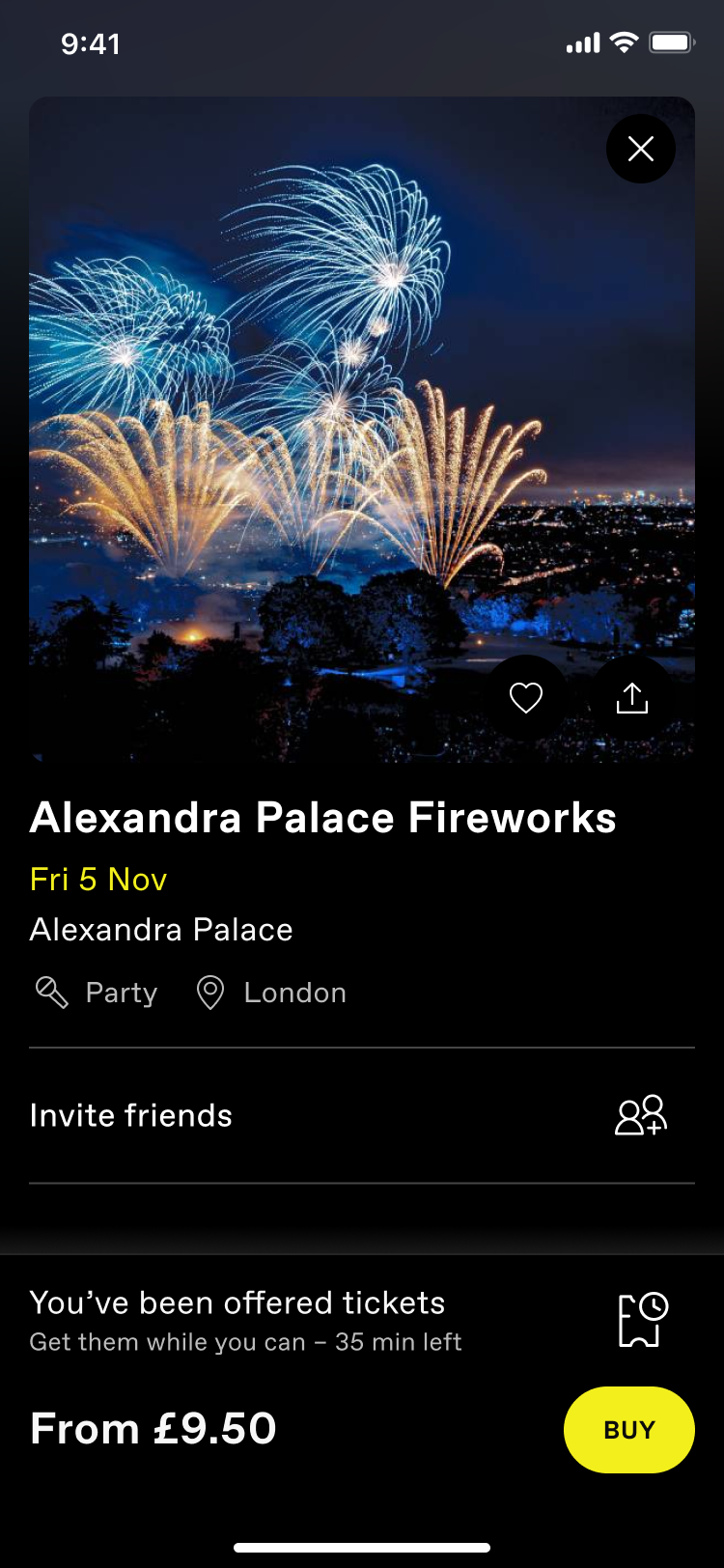
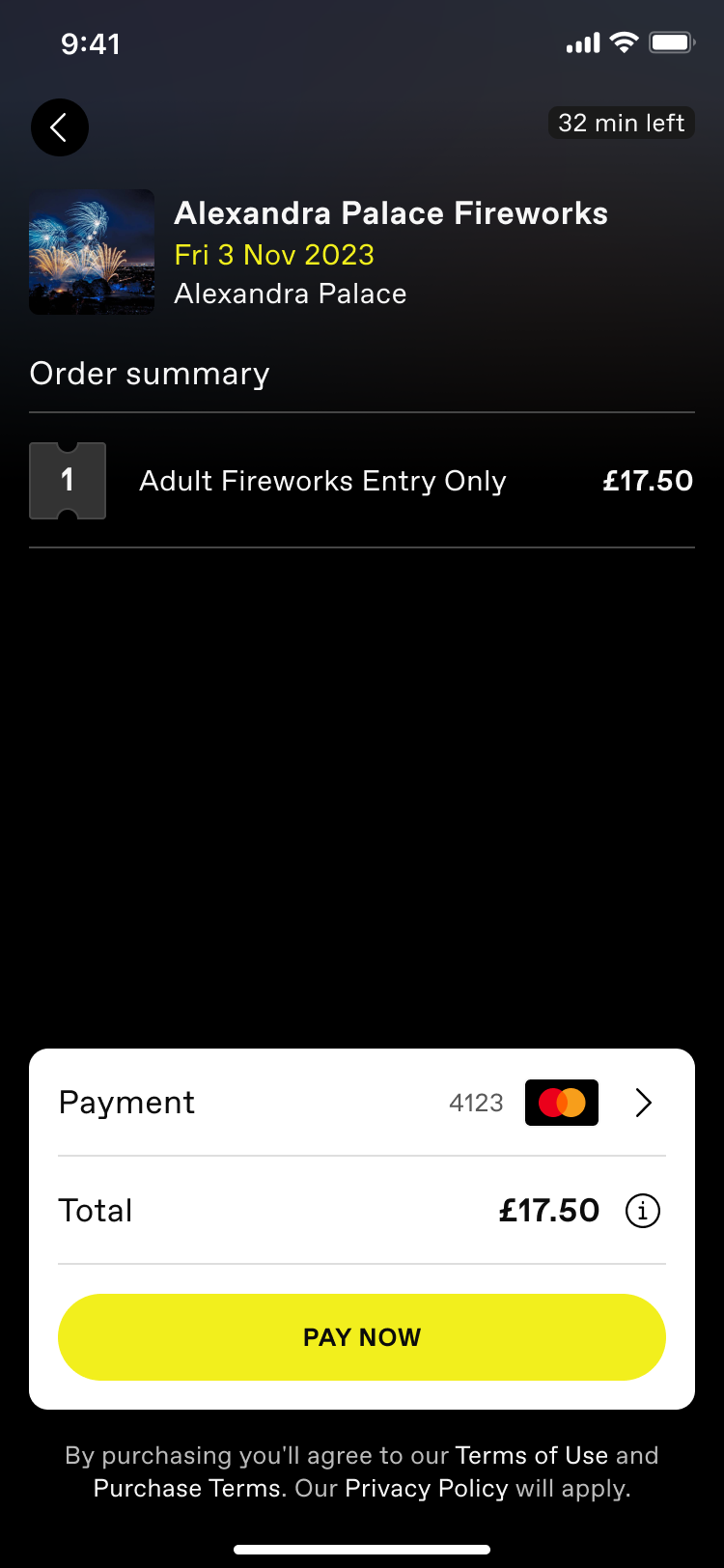
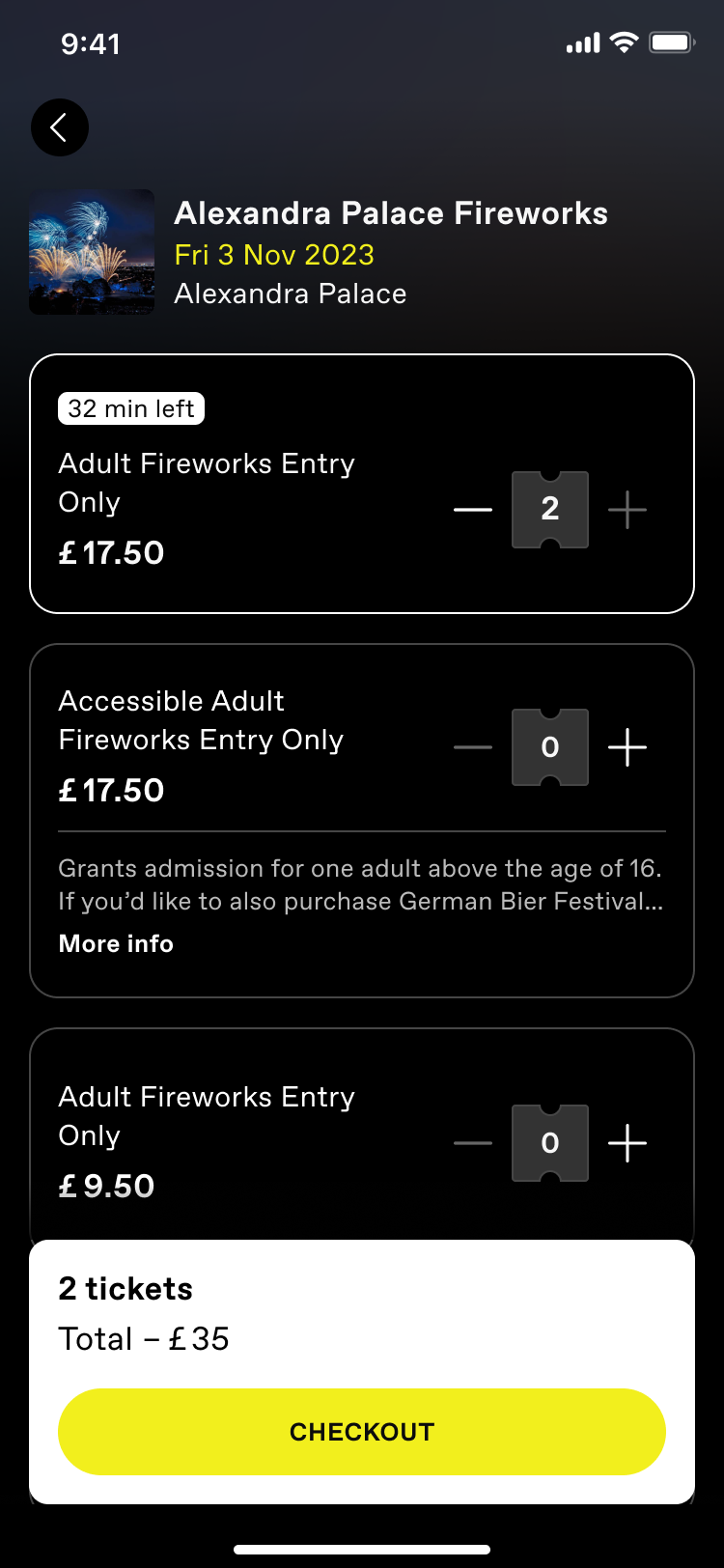
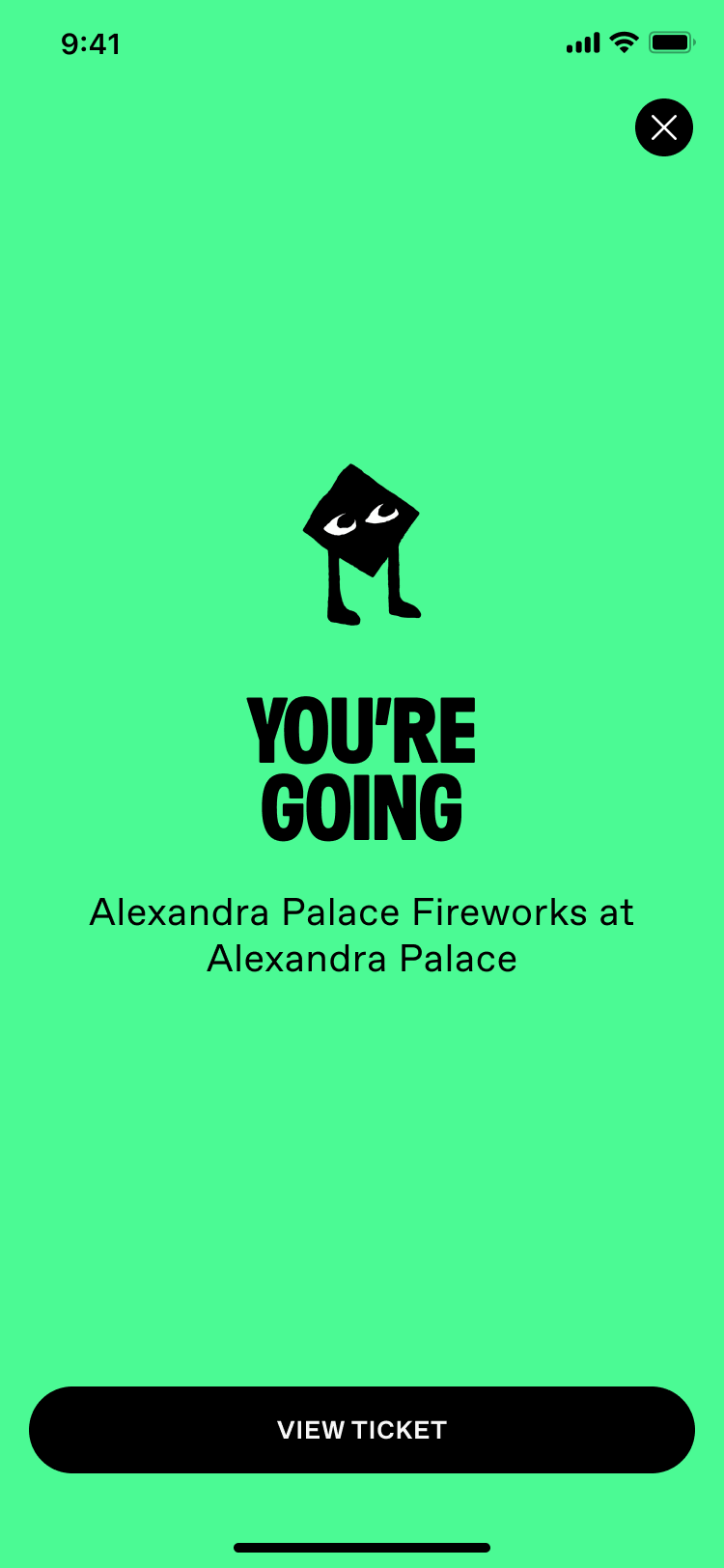
If a fan reduces the number of tickets they want to buy (less than what they were offered), I made sure to support their decision by emphasizing the goodwill aspect, reassuring them that those tickets will go to the next fan and won't go to waste
Aligning language with brand values to strengthen the emotional connection fans have with DICE
Establish a sense of belonging and community, which is a powerful driver of loyalty
Changed “The ticket is all yours” to “You’re going” to connect to the real-world outcome, making it celebratory, focusing on that excitement and experience rather than the objects/transaction